Paddle With Confidence: The Role of Buoyancy Aids in Water Adventures
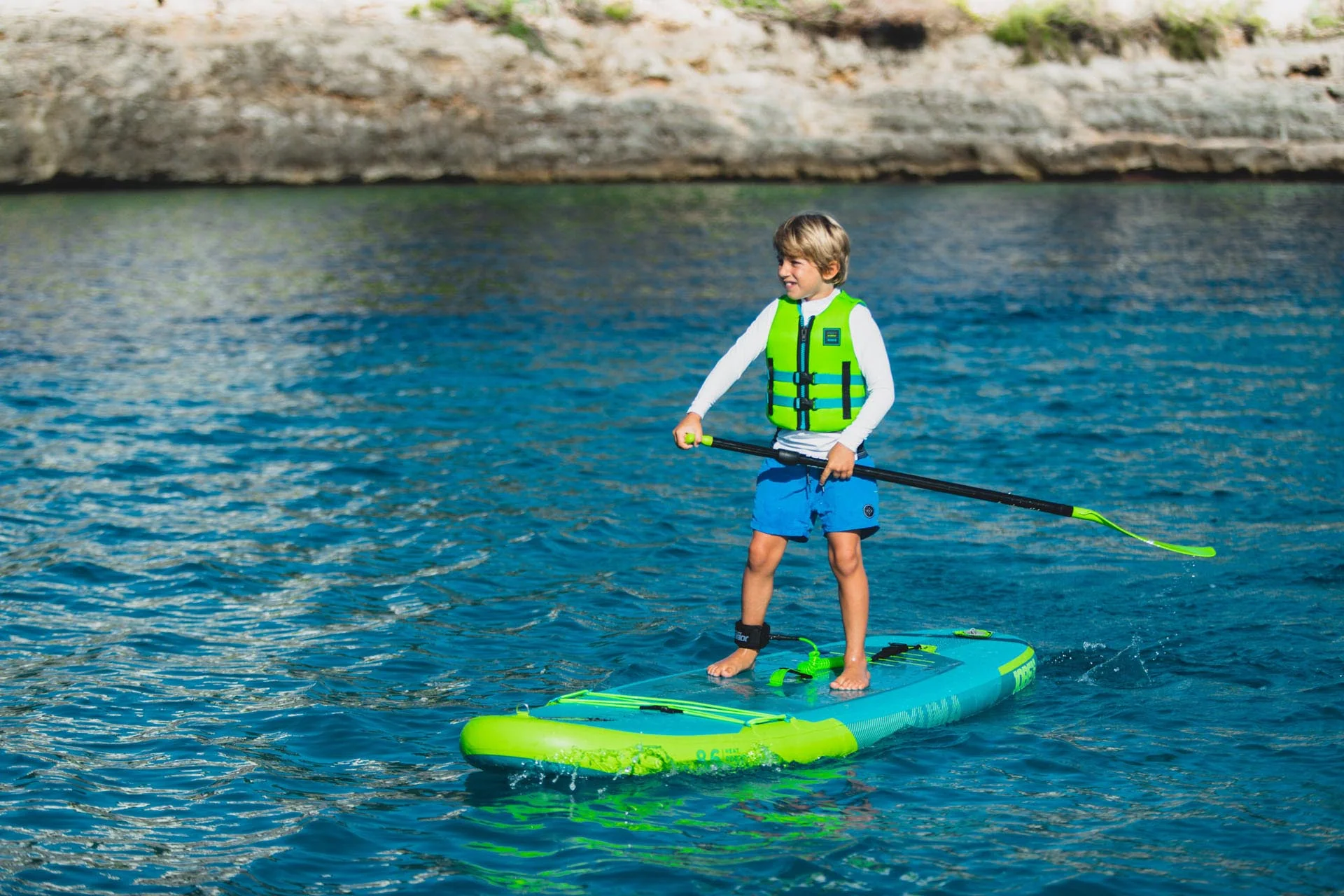
Water adventures offer an exciting opportunity to explore nature, enjoy outdoor activities, and experience the freedom of paddling across lakes, rivers, and coastal waters. Whether someone is kayaking for recreation, fishing, or exploring unfamiliar waterways, safety should always remain a priority. One essential piece of equipment that supports safer paddling is a buoyancy aid.
A buoyancy aid provides additional flotation while allowing paddlers to move their arms and upper bodies comfortably. Unlike equipment designed primarily for emergency rescue situations, buoyancy aids are generally intended for confident swimmers participating in activities where assistance is reasonably accessible. Understanding their importance can help paddlers prepare for enjoyable and responsible water adventures.
Understanding the Purpose of a Buoyancy Aid
A buoyancy aid is designed to provide flotation support when someone enters the water unexpectedly. It typically features lightweight flotation materials, adjustable straps, and a practical design that allows freedom of movement.
For kayaking enthusiasts, unrestricted movement is particularly important because paddling involves repeated upper body movements. A properly fitted buoyancy aid helps maintain comfort while providing additional support in the water.
However, a buoyancy aid is not the same as a life jacket. Most buoyancy aids are not designed to turn an unconscious person face up. Paddlers should select flotation equipment based on their swimming ability, water conditions, and the level of assistance available.
Why Buoyancy Aids Matter During Kayaking Adventures
Kayaking can be a relaxing outdoor activity, but changing weather conditions, unexpected currents, and accidental capsizing can create challenging situations. Even experienced paddlers may encounter circumstances that require them to enter the water.
Wearing a suitable buoyancy aid provides additional flotation, making it easier to remain at the surface while attempting to recover or reach safety.
For individuals using a sit on top kayak, buoyancy aids are especially important because these kayaks have an open seating arrangement. Although their design allows paddlers to get on and off relatively easily, users can still fall into the water when encountering waves or losing balance.
A buoyancy aid offers valuable support during these unexpected situations, helping paddlers focus on safely returning to their kayak or reaching assistance.
Choosing the Right Buoyancy Aid for Different Activities
Not every water adventure involves the same movements or conditions. Choosing suitable flotation equipment requires considering the activity, environment, and individual comfort preferences.
Recreational kayakers often benefit from lightweight buoyancy aids that provide flexibility around the shoulders. A secure fit may be achieved without limiting paddling motions using adjustable straps.
Those using a fishing kayak may prefer buoyancy aids with practical storage pockets for small accessories. Fishing often involves reaching for equipment, casting lines, and changing seating positions. A suitable design should accommodate these movements without compromising flotation performance.
Paddlers exploring coastal environments should also consider visibility, appropriate buoyancy ratings, and the manufacturer’s intended use. Choosing equipment suited to the expected conditions is essential for responsible water recreation.
The Importance of Proper Fit and Comfort
A buoyancy aid can only perform as intended when it fits correctly. Equipment that is too loose may ride upward in the water, while an excessively tight fit can restrict breathing and movement.
Before purchasing a buoyancy aid, paddlers should consider body measurements, weight recommendations, and available adjustment features. Trying the equipment while seated can help determine whether it remains comfortable in a typical kayaking position.
Shoulder mobility is another important consideration. A well-designed buoyancy aid should allow paddlers to perform natural strokes without uncomfortable rubbing around the arms or neck.
Once adjusted, the buoyancy aid should remain secure when gently pulled upward at the shoulders. Regular fit checks are particularly important when different clothing layers are worn throughout the year.
Maintaining Buoyancy Aids for Reliable Performance
Proper maintenance helps preserve the condition and effectiveness of flotation equipment. Exposure to sunlight, saltwater, dirt, and repeated use can gradually affect materials and fastening components.
After kayaking, buoyancy aids should be rinsed with fresh water when necessary, particularly following exposure to saltwater. They should then be allowed to dry naturally in a ventilated area away from direct heat.
Paddlers should regularly inspect straps, buckles, stitching, and flotation materials for signs of deterioration. Damaged equipment may not provide the expected support and should be replaced when its condition becomes questionable.
Storing buoyancy aids in a dry location without placing heavy objects on them can also help protect their flotation materials.
Building Confidence Through Responsible Water Safety
Confidence on the water comes from preparation, awareness, and appropriate equipment. While buoyancy aids provide important flotation support, they should form part of a broader approach to kayaking safety.
Checking weather forecasts, understanding local water conditions, carrying suitable communication equipment, and informing someone about planned routes are all valuable precautions.
Paddlers should also practice basic rescue techniques and understand how to reenter their kayak after an accidental capsize. These skills can become particularly useful when exploring unfamiliar waterways.
Wearing a buoyancy aid consistently helps establish positive safety habits, allowing paddlers to concentrate on enjoying their surroundings while remaining prepared for unexpected situations.
Conclusion
Kayaking offers countless opportunities for adventure, relaxation, and outdoor exploration. Whether paddling across peaceful lakes, navigating coastal waters, or enjoying a fishing trip, appropriate safety equipment plays an essential role in the experience.
A well-fitted buoyancy aid provides additional flotation, supports comfortable movement, and contributes to safer paddling practices. By selecting suitable equipment, maintaining it properly, and developing essential water safety skills, paddlers can approach their next adventure with greater confidence and peace of mind.