Choosing Model Trains for Small Spaces and Compact Railroad Layouts
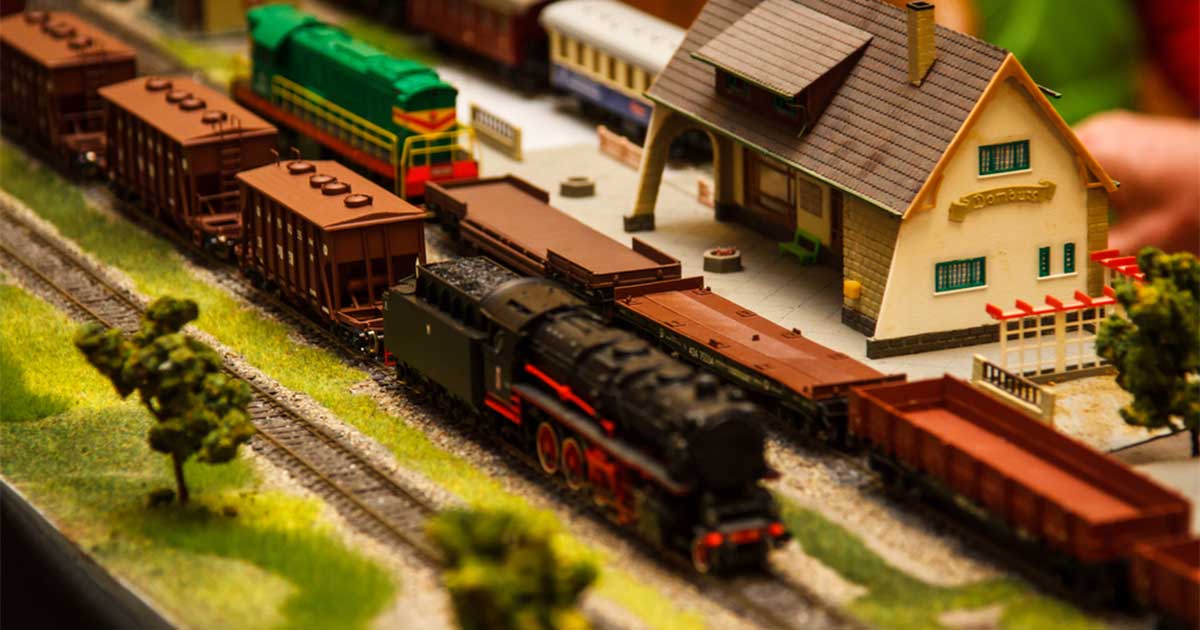
Model railroading is an intriguing pastime that integrates technical proficiency, creativity, and an appreciation for railroad history. However, not everyone has a dedicated room or large basement for building an elaborate railroad layout. Limited space can make choosing the right trains, tracks, and accessories challenging. Fortunately, compact model railroad layouts offer an excellent opportunity to enjoy the hobby without requiring extensive space. With careful planning and suitable equipment, even a small tabletop or unused corner can become an impressive miniature railway.
Understanding the Space Available for Your Layout
Before purchasing equipment, evaluating the available space is essential. Compact railroad layouts can fit on bookshelves, desks, folding tables, or specially designed platforms. Measuring the available area helps determine which train scales and track configurations will work comfortably.
When browsing options for a model train for sale, buyers should consider the dimensions of the locomotive, the minimum turning radius, and the space required for additional scenery. Choosing a train that fits the available layout prevents operational difficulties and unnecessary modifications later.
It is also important to consider accessibility. A layout positioned against a wall should allow easy access to tracks, switches, and electrical connections. Planning these details early makes maintenance easier and creates a more enjoyable operating experience.
Selecting the Right Model Train Scale
Train scale plays a significant role in determining how much railway activity can fit within a limited area. Different scales represent different proportions of real locomotives and railway equipment.
N scale trains are particularly popular for compact layouts because their smaller dimensions allow longer tracks and more detailed scenery within restricted spaces. HO scale trains are larger but remain manageable for many tabletop arrangements.
Z scale offers even smaller models, making it suitable for highly compact displays. However, its miniature components may require additional care during handling and maintenance.
The ideal scale depends on personal preferences, available space, and the desired level of detail. Beginners may find HO scale easier to handle, while experienced enthusiasts might prefer N scale for creating more extensive miniature railway networks.
Planning an Efficient Track Configuration
Track arrangement determines how effectively a compact railroad operates. A well-designed layout should balance visual appeal with practical train movement.
Simple oval tracks are suitable for beginners because they allow continuous operation without complicated switching arrangements. Adding a passing siding or a small industrial branch can introduce more operational variety without occupying excessive space.
Point-to-point layouts offer another practical option. Instead of creating a continuous loop, trains travel between two locations, allowing hobbyists to simulate realistic railway operations.
Track planning software and printed templates can help enthusiasts visualize different configurations before purchasing materials. Testing the proposed arrangement reduces the likelihood of overcrowding and ensures that locomotives can navigate curves safely.
Choosing Locomotives and Rolling Stock for Compact Layouts
Not every locomotive performs equally well on tight curves or short track sections. Large steam locomotives and lengthy passenger cars may require wider turning radii, making them unsuitable for certain compact layouts.
Smaller diesel switchers, short steam locomotives, and compact freight cars are often more practical choices. These models generally handle tighter curves more comfortably, provided the track radius meets the manufacturer’s specifications.
Rolling stock length also influences the appearance of a miniature railway. Shorter freight cars can create realistic train formations without overwhelming the layout.
Selecting equipment based on operational compatibility rather than appearance alone helps ensure reliable performance and reduces derailments.
Creating Realistic Scenery Without Overcrowding
Scenery transforms a basic track arrangement into an engaging miniature environment. However, limited space requires thoughtful decisions about buildings, landscapes, and decorative elements.
Instead of attempting to recreate an entire city, hobbyists can focus on a specific setting, such as a rural station, industrial yard, or small mountain railway.
Low-relief buildings positioned against the backdrop provide the appearance of depth without occupying significant space. Carefully placed trees, tunnels, bridges, and miniature structures can further enhance realism.
Using consistent scenery proportions helps maintain visual balance. A few carefully selected details often create a stronger impression than numerous accessories placed too closely together.
Managing Electrical Connections and Train Controls
Reliable electrical connections are essential for smooth model train operation, particularly when layouts include multiple switches or track sections.
Traditional DC controllers provide straightforward speed and direction adjustments. Digital Command Control systems offer additional flexibility by allowing independent locomotive operation and access to compatible sound and lighting functions.
For compact layouts, organizing wiring beneath the platform helps maintain a clean appearance and simplifies troubleshooting.
Regularly cleaning tracks, checking electrical connections, and inspecting locomotive wheels can prevent interruptions during operation.
Making Compact Railroad Layouts Easy to Expand
A small railroad layout does not necessarily have to remain permanently limited. Modular construction allows hobbyists to expand their miniature railway gradually as additional space becomes available.
Removable scenery sections, standardized track connections, and lightweight platforms make future modifications easier. Portable layouts can also be stored when not in use, making them suitable for apartments and shared living spaces.
Planning for expansion from the beginning helps avoid replacing major components when the collection grows.
Conclusion
Creating a model railroad in a small space requires thoughtful planning rather than expensive equipment or extensive room. Choosing an appropriate scale, designing efficient tracks, selecting compatible locomotives, and incorporating realistic scenery can produce an enjoyable miniature railway. Compact layouts also encourage creativity by challenging enthusiasts to make effective use of every available inch. With the right approach, even the smallest railroad setup can provide years of entertainment, experimentation, and collecting opportunities.